Portable Power Station vs Generator for Outages: Which Is Better? (October 2026)
For portable power station vs generator, choose a power station for indoor essentials during short outages. Choose a gas generator for longer outages or heavier loads if you have a safe outdoor location, fuel storage and a maintenance plan.
On this page (11 sections)
- Portable power station vs generator: which fits your home?
- How do you size backup power without buying too much?
- Which option can run more appliances at once?
- How long will each option keep essentials running?
- Which of these three models should you buy?
- How should you set up backup power before an outage?
- What safety rules matter most during use?
- How will you recharge or refuel during a long outage?
- What care keeps backup equipment ready?
- Which mistakes most often leave an outage plan short?
- Portable power station vs generator: which should you choose?
Choose a portable power station for indoor essentials during short outages; choose a gas generator for longer outages or heavier loads when outdoor operation is practical. The portable power station vs generator decision starts with where you can safely use it and how you'll replenish its energy.
A power station stores electricity in a battery, while a gas generator makes electricity as its engine runs. Battery capacity limits time between charges; fuel supply, operating conditions and maintenance shape generator use.
Neither category automatically covers your whole home. Start with the appliances you need, then choose enough output and an energy plan that lasts.

Portable power station vs generator: which fits your home?
A power station fits homes that need indoor backup for selected devices. A generator fits homes with a safe outdoor operating area and a need for more sustained power.
Apartment residents without a compliant outdoor location should skip gasoline generators. A balcony, shared hallway or open garage doesn't solve the exhaust problem.
For phones, lights, a router and occasional laptop use, a battery station is easier to live with. Refrigeration may also fit, but you must check startup demand and energy use before relying on it.
Choose a generator when keeping essential appliances running through a long outage matters more than indoor convenience. Skip one if fuel handling, lifting or engine upkeep would make you reluctant to use it.
Portable power station or generator for overnight use?
A power station suits overnight essentials because it produces no engine exhaust and needs no refueling. It can still make fan noise, so leave ventilation space rather than putting it in a cupboard to quiet it.
Generator noise continues wherever the engine operates, and campsite or neighborhood rules may limit operating hours. Plan around those limits before making an engine your only overnight power source.
How do you size backup power without buying too much?
Size backup power by checking running watts, startup demand and energy use separately. A unit can have enough output to start an appliance but too little stored energy to run it for long.
Write down each essential device, its power draw and how many hours you'll need it. Mark loads that cycle automatically, such as a refrigerator, because they can restart while other devices are connected.
Use the appliance manual or a suitable plug-in energy meter where practical. A label may show maximum electrical requirements rather than average consumption over a day.
Keep a margin below the power source's continuous output. That gives you room for load changes instead of building a plan that works only when every device draws exactly what you expect.
Which appliances should you leave off the list?
Leave electric space heaters, large cooking appliances and other heavy loads off a small backup plan unless you've allowed for their demand. Heating can consume battery energy quickly and leave little output for essentials.
Boil water or cook in a separate time slot if your equipment supports the appliance. Disconnecting optional loads can make a smaller unit useful without pretending it can run everything together.
Our guide to choosing a power station size helps build that load list. For the basics of capacity, ports and charging, use the portable power station buying guide.
Which option can run more appliances at once?
The larger WEN has the most continuous output among these options. Choose by the combined electrical load, not the number of sockets or the largest number in a product name.
| Model | Continuous AC output | Surge output |
|---|---|---|
| Jackery Explorer 1000 v2 | 1,500W | 3,000W |
| WEN 2350-Watt Inverter Generator | 1,900W | 2,350W |
| WEN 3600-Watt Inverter Generator | 2,900W | 3,600W |
Surge output covers a brief demand, not a higher load you can run continuously. A refrigerator or pump also needs enough startup support while your other appliances remain connected.
Don't assume a matching surge number guarantees compatibility. Motor startup behavior and the power source's overload limits both matter, so check the manuals for your intended combination.
The larger WEN adds a TT-30R RV receptacle. That connection is useful for a suitable RV setup, but it doesn't increase the generator's total available power.
How long will each option keep essentials running?
A generator can extend operation through refueling, while a power station needs enough stored energy or a working recharge source. Neither has one fixed runtime for every household.
The Jackery stores 1,070Wh. As a simple planning example, a steady 100W load would use 1,000Wh over 10 hours, before allowing for conversion losses and the station's own energy use.
That means you shouldn't promise 10 hours from this example. USB loads, AC loads, temperature and appliance cycling can change the result.
WEN gives the smaller generator over 5.7 hours of runtime at half load and the larger one up to 5 hours at half load. Those figures represent different electrical loads, so they aren't a direct comparison of fuel use for the same appliances.
A refrigerator needs a different estimate from a device that draws constant power. Use the guide to running a refrigerator from a power station before making food storage depend on a battery calculation.
For other loads, see how long a portable power station will last. Build in reserve time for a delayed recharge or an outage that lasts longer than expected.
Which of these three models should you buy?
Choose the Jackery for indoor convenience, the smaller WEN for modest generator loads, or the larger WEN for more output and an RV connection. Each solves a different part of an outage plan.
Jackery Explorer 1000 v2: for indoor essentials and short interruptions
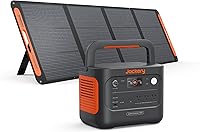
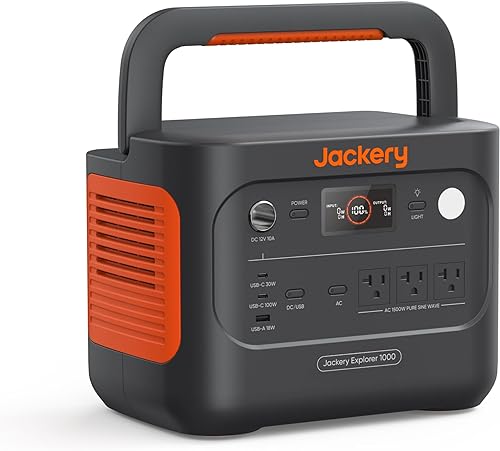
The Jackery suits buyers who want to place backup power near their devices without running an engine outside. Its 23.8 lb weight and foldable handle also make room-to-room moves easier than with either generator here.
It has 3 pure sine wave AC outlets, 2 USB-C ports, a USB-A port and a DC car port. Use compatible USB devices directly when practical instead of occupying AC outlets with charging adapters.
Jackery offers a 1-hour full-charge mode that you must enable in its app before each emergency charge. The default full-charge mode takes 1.7 hours, which matters when you have limited warning before an outage.
Skip this model if your plan depends on days of heavy use without a dependable recharge source. Its portability doesn't remove the battery's energy limit.
WEN 2350-Watt Inverter Generator: for selected loads over longer outages
The smaller WEN suits buyers who need refillable power but don't need the larger generator's output. At 39 lb, it's the easier generator here to carry between storage and an outdoor operating spot.
WEN backs it with a 2-year warranty. Its fuel shutoff uses the fuel remaining in the carburetor before shutdown, helping reduce problems from stagnant fuel.
Skip it if your essential loads need more continuous output or you can't safely place it outdoors. It also lacks the larger WEN's dedicated RV receptacle.
WEN 3600-Watt Inverter Generator: for larger loads and RV connections
The larger WEN fits buyers whose load plan exceeds the smaller model's capacity or calls for a TT-30R connection. WEN backs it with a 3-year warranty.
It weighs 46.3 lb, so think through lifting it from storage and moving it across your property. More output is useful only if the person responsible for setup can move and operate the equipment.
Skip it if your outage plan mainly covers small electronics. Those loads don't justify choosing a heavier engine solely for output you won't use.
How should you set up backup power before an outage?
Prepare the location, connections and operating steps while grid power is available. An outage is a poor time to discover that your cord won't reach or your appliance uses an unexpected plug.
For a power station, choose a dry, stable indoor surface with the ventilation clearance its manual requires. Keep it away from heat sources and places where drinks, rain or a plumbing leak could reach it.
For a generator, identify a fully outdoor location that meets official clearance guidance. Keep exhaust directed away from buildings, including neighboring homes, and plan safe weather protection according to the manual.
Use suitable cords within their load and length limits. Keep connections dry, avoid damaged cords and arrange cables so they don't become trip hazards or get pinched in doors.
Practice the startup and shutdown steps, then connect your planned appliances within the unit's limits. Make sure another household member can follow the written plan.
Can you connect either option to home wiring?
Use an approved connection system installed by a qualified electrician when supplying household circuits. A suitable transfer switch or interlock must match the equipment and local requirements.
Never plug a generator or power station into a wall outlet to feed home wiring. This can energize utility lines and expose workers or neighbors to dangerous electricity.
For direct appliance connections, follow both the appliance manual and the power source's instructions. An RV receptacle alone doesn't make a generator ready to connect to household circuits.
What safety rules matter most during use?
Keep generator exhaust outside and away from openings, and keep battery equipment dry and ventilated. Neither a quiet engine nor an inverter design makes a gasoline generator safe indoors.
Never operate a generator in a garage, shed or enclosed porch, even with doors open. Use working carbon monoxide alarms inside your home and follow the CDC's carbon monoxide guidance.
Stop the engine and let it cool before adding fuel outdoors. Keep gasoline in approved containers away from living areas and ignition sources, following local storage rules.
For battery equipment, stop using a unit that shows damage, unusual heat or swelling, and follow the manufacturer's instructions. The portable power station safety guide explains placement and charging precautions.
How will you recharge or refuel during a long outage?
Choose a replenishment plan you can actually carry out when roads, shops or utilities are disrupted. Buying extra capacity without planning the next charge or fuel supply only delays the same problem.
For a generator, consider how much fuel you can store safely and where replacement fuel would come from. Allow for shutdowns, cooling and maintenance rather than planning uninterrupted operation around the clock.
Solar charging depends on daylight, weather, panel placement and the station's input limits. A panel's rated output isn't an all-day charging promise.
The Jackery supports solar charging only with compatible Jackery panels, which aren't included. Check the solar charging guide before building an outage plan around panels.
Can a generator and power station work together?
They can complement each other if the charging connection and electrical requirements are compatible. A generator can supply daytime loads and recharge a battery for later indoor use.
Include the station's charging demand in the generator's total load. Follow both manuals, and don't assume charging at full speed leaves enough output for every appliance.
This approach can reduce the hours you need an engine running, but it adds equipment and setup. Choose it only when quiet battery hours solve a real need.
What care keeps backup equipment ready?
Follow storage and maintenance instructions between outages, rather than waiting until the next warning. Readiness matters as much as capacity.
For a generator, follow the oil, service and exercise schedule in its manual. Fuel shutoff helps empty the carburetor, but it doesn't replace engine care or the required long-term fuel storage steps.
For a power station, follow the recommended storage charge and temperature range. Check its charge periodically and top it up before a forecast outage.
The Jackery uses an LFP battery, and Jackery says it retains over 70% of original capacity after 4,000 charge cycles. Battery aging still makes reserve capacity useful when planning long-term backup.
Which mistakes most often leave an outage plan short?
The biggest mistakes are confusing watts with watt-hours and assuming replenishment will be easy. Output answers what you can run; stored energy helps answer for how long.
Other avoidable mistakes include:
- Counting outlets instead of adding the watts of connected devices.
- Treating surge output as continuous power.
- Forgetting that a refrigerator can restart while another appliance is running.
- Buying solar panels without checking compatibility and charging limits.
- Choosing a generator before finding a safe outdoor operating spot.
- Leaving all setup instructions with the one person who may be away during an outage.
Keep the plan focused on essentials. A small, workable setup is more useful than a larger one that depends on unsafe placement or unavailable fuel.
Portable power station vs generator: which should you choose?
Choose a power station when indoor use and a manageable energy budget fit your outage plan. Choose a generator when your loads or outage length require refillable power and you can handle outdoor operation safely.
For these models, pick the Jackery for indoor essentials, the smaller WEN for modest fuel-powered backup, and the larger WEN for a higher running load or RV connection. Skip any option whose weight, upkeep or replenishment needs you can't manage.
Use the best portable power stations for power outages to compare battery alternatives. For household circuits, read whether a portable power station can power a house before arranging an electrical connection.
If you're still defining the loads you need, start with the home backup guide. Make that list before choosing equipment.
Sources:
Frequently asked questions
Is a portable power station better than a generator for an outage?
A portable power station is better for indoor essentials during short outages, especially when outdoor generator placement is impossible. A gas generator suits longer outages if you can store fuel and operate it safely outside.
Choose using your running loads, startup demands and a realistic plan to replenish energy.
Can a portable power station run a refrigerator?
Yes, if its AC output handles the refrigerator's running load and startup demand, and its usable battery energy covers the hours you need. A refrigerator cycles on and off, so continuous running watts alone won't predict runtime.
Measure energy use where practical and leave capacity for other essential devices.
Can you run a gas generator inside during an outage?
No. A gas generator must operate fully outdoors, away from doors, windows and vents, with exhaust directed away from buildings.
A garage with open doors is still unsafe because carbon monoxide can collect or enter the home. Follow official placement guidance and keep working carbon monoxide alarms indoors.
Can you recharge a power station during an outage?
Yes, if you have a compatible charging source that remains available during the outage. Solar depends on suitable panels, weather and daylight, so it shouldn't be your only plan without enough reserve energy.
The Jackery Explorer 1000 v2 supports solar charging only with compatible Jackery panels, sold separately.
Can either option power a whole house?
Neither automatically provides whole-house backup. Available output, appliance startup demands and the connection equipment must all match the circuits you want to supply.
These three options suit selected loads rather than an assumed whole-home plan. Never feed home wiring through a wall outlet; arrange an approved connection with a qualified electrician.